

Are We Squandering Academic Talent Instead of Investing in It?
Key Takeaways
UK university cuts, hiring freezes, course closures and heavier workloads are putting academic expertise, teaching quality and institutional knowledge at risk.
Academic skills such as evidence analysis, clear communication, evaluation and critical thinking are valuable in business, public policy, responsible AI, research and organisational learning.
Former academics can explore research, insight, learning and development, communications, consulting, policy, innovation and social enterprise roles.
A career change can begin with practical steps such as reviewing transferable skills, speaking to people in other sectors and testing one low-risk project.
Academic experience can create value beyond universities, whether through employment, consultancy, partnership work or a new venture.

Reinvention for a 100-Year Life: A Practical Second Act
Key Takeaways
A 100-year life may require several periods of learning, work, caring, recovery and contribution rather than one fixed career followed by retirement.
Career reinvention can build on existing skills, professional relationships and judgement instead of requiring a complete restart.
Midlife professionals should test new ideas gradually, while protecting household income and accounting for caring responsibilities.
A purposeful second act may involve consulting, part-time work, teaching, employment or a small business.
Personal clarity, customer feedback, practical experiments and support from peers can make a new direction more realistic and manageable.
Being a Part-Time Founder Is a Strategic Start
Key Takeaways
Being a part-time founder allows you to test a business idea while keeping the financial security of paid employment.
Hybrid entrepreneurship works best when you use protected work time to speak with customers, win paid pilots and measure real demand.
A job can provide income, industry knowledge, useful contacts and time to learn before you commit to running the business full-time.
The Founder Capacity Index helps you assess whether your time, energy, finances, skills, support network and business model can sustain part-time entrepreneurship.
Move to full-time entrepreneurship only when customer demand, cash flow, operating needs and personal capacity support the decision.

Becoming a Founder After 40: Where to Start
Key Takeaways
Starting a business after 40 begins with small, low-risk steps that test an idea before you commit significant time or money.
Your professional experience, judgement, networks and knowledge of a specific problem can help you identify a viable business opportunity.
Personal clarity comes first: define why you want to become a founder, what kind of life you want your business to support and what risks you can afford to take.
Test your business idea with potential customers, then use their feedback to refine the offer, pricing and sales approach.
A learning community, peer group or experienced support network can provide accountability and practical feedback while you build the business.

The Bear, Series Five: Want to open a restaurant?
Key Takeaways
The Bear shows that lasting excellence comes from trust, shared standards and teamwork, rather than one talented leader working alone.
Founders build stronger organisations when they delegate responsibility, give people room to use their judgement and stop making themselves the bottleneck.
High standards support good work when leaders pair them with proper training, clear expectations, useful feedback and well-designed systems.
Conflict can help an organisation improve when people can raise difficult issues, accept responsibility and stay focused on the shared purpose.
The Weave applies these lessons by helping founders build practical skills, trusted relationships and organisations that can succeed beyond the person who started them.

A View from Hill Top: Building a Mission That Lasts
Key Takeaways
Beatrix Potter's Hill Top feels powerful because its house, garden and surrounding farmland directly shaped her stories and daily work.
Potter combined scientific observation, illustration and storytelling to create children's books with believable animals and recognisable rural settings.
She used the income from her books to protect farms, support local agricultural life and preserve land for future generations.
Her example shows founders that a mission is more secure when ownership, governance and financial decisions protect it.
Sustainable growth requires clear limits, including fair treatment of staff, customers, suppliers, local communities and the environment.

How to Build an Entrepreneurial Mindset That Lasts
Key Takeaways
An entrepreneurial mindset is built through repeatable habits, not bursts of motivation.
Setbacks are useful data, so review what happened and decide on one change to test next.
Small actions keep momentum going when bigger goals feel overwhelming.
Honest feedback from peers helps you spot blind spots sooner and avoid costly mistakes.
Protect sleep, movement, food, breaks, and boundaries, because energy affects judgement and follow-through.

Community Through Snyder's Lens
Key Takeaways
Gary Snyder treats community as shared daily life, not as a club, audience, or add-on.
Celebration, ritual, and repeated gatherings help a group build trust and identity.
Place matters because community feels stronger when people share local context, work, and care.
Founders build better communities when they make participation easy, human, and regular.
Stories, humour, and small acts of support keep people coming back.

Building Organisational Vision with Barabási's Laws of Success
Key Takeaways
Barabasi's laws suggest organisational vision works best when it focuses on visible value, fit, team balance, and persistence.
Success depends on both performance and recognition, so the vision should name the proof people should notice, not just the purpose behind the work.
Teams need clear roles, balanced credit, and mixed input, because star-heavy systems can hide contribution and weaken trust.
Persistence matters because repeated attempts in the right market raise the chance of a breakthrough, even when results arrive late.
Founder First in a Crisis: When Philosophy Meets Hard Reality
Key Takeaways
Founder stress affects judgement fast, so the first move in a crisis is to slow the moment down and think clearly.
A founder-first approach helps the whole company because the founder sets pace, tone, and priority.
Small buffer zones, like pausing before replying or getting a second view, help stop rushed decisions.
The PISA model, Pause, Inspect, Sense, Align, gives founders a simple way to handle tense negotiations.
Practical support, such as steadier routines and better headspace, helps founders make better calls under pressure.

When You Are the Brand, Your Business Must Match
Key Takeaways
Founders and companies are linked, because people judge the business through the founder's behaviour, content, and sales process.
Mixed signals weaken trust, such as a thoughtful positioning claim paired with rushed posts or low-cost offers.
LinkedIn is a useful audit point, since it shows how outsiders read the founder and the business.
Small edits to the headline, About section, offers, and client journey can improve alignment without a full rebrand.
Outside-in feedback, including tools like The Weave, can reveal gaps that self-review misses.

The Founder Economy Is Being Rewritten by AI and Trust
Key Takeaways
Add this near the top of the article, straight after the intro.
AI makes it easier to build polished content fast, which also makes sameness easier to copy.
Buyers now look for judgement, clear thinking, and a founder who understands their world.
Trust, support, and consistency matter more when many offers sound similar.
AI works best when it handles drafts, research, and admin, while humans keep the final voice and decisions.
Founders need systems, not just energy, if they want growth without chaos.

Investment Readiness: Bringing Your Startup Into the Light
Key Takeaways
Investment readiness means a startup has enough proof, clarity, and a sensible funding plan, not a perfect business.
Investors trust traction signals such as repeat purchases, retention, referrals, paid pilots, partnerships, waitlists, and improving conversion.
Funding makes the most sense when demand is real, but growth is capped by time, capacity, or missing systems.
Outside capital works best when timing matters, such as hiring, product work, market entry, or meeting rising demand.
Terms, control, reporting, and investor fit matter as much as cash, so founders should set a 12 to 18 month goal before raising.

Innovation Moves Faster With a Sparring Partner
Key Takeaways
Early innovation often moves faster with one trusted sparring partner than with a large group.
A pair gives new ideas safety, honest challenge, and faster feedback.
The best partner adds a different skill set, such as customer insight, technical depth, or critical review.
Strong pairs handle uncertainty better and keep going after setbacks.
Bring in a wider team once the idea has enough shape to stand up to scrutiny.
Visit https://awake.wearetheweave.co.uk to find your sparring buddy

The UK Has Startup Energy, But It's Misfiring
Key Takeaways
The UK has plenty of founder ambition, but too few startups turn that energy into durable, revenue-generating businesses.
Startup activity is strong, especially in tech and AI, but business survival and steady growth are still uneven.
The weak point is the middle stage, where customer testing, pricing, cash flow, and systems decide whether a business lasts.
Practical support, mentoring, funding guidance, and founder wellbeing help more than hype or generic startup advice.
A UK startup model should fit local conditions rather than copy the US playbook.
What The Prisoner's Dilemma Teaches Founders About Collaboration
Key Takeaways
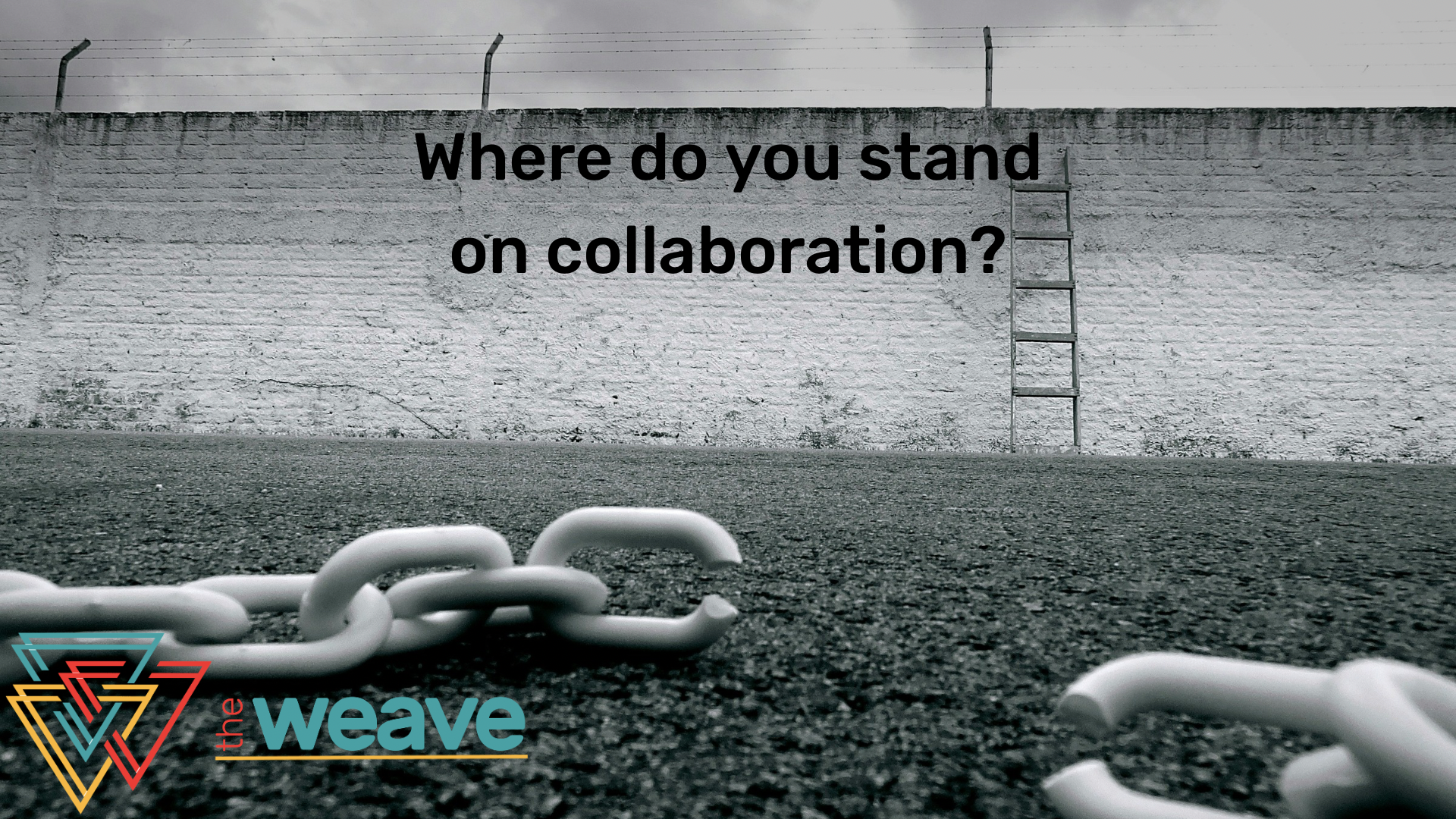
The Prisoner's Dilemma shows why individual caution can create a worse result for everyone.
Founders often hold back because the downside of sharing feels immediate, while the upside takes longer to show up.
Repeated contact changes the logic, because reputation, reciprocity, and follow-through start to matter.
Clear roles, written rules, and small trials make collaboration safer and easier to trust.
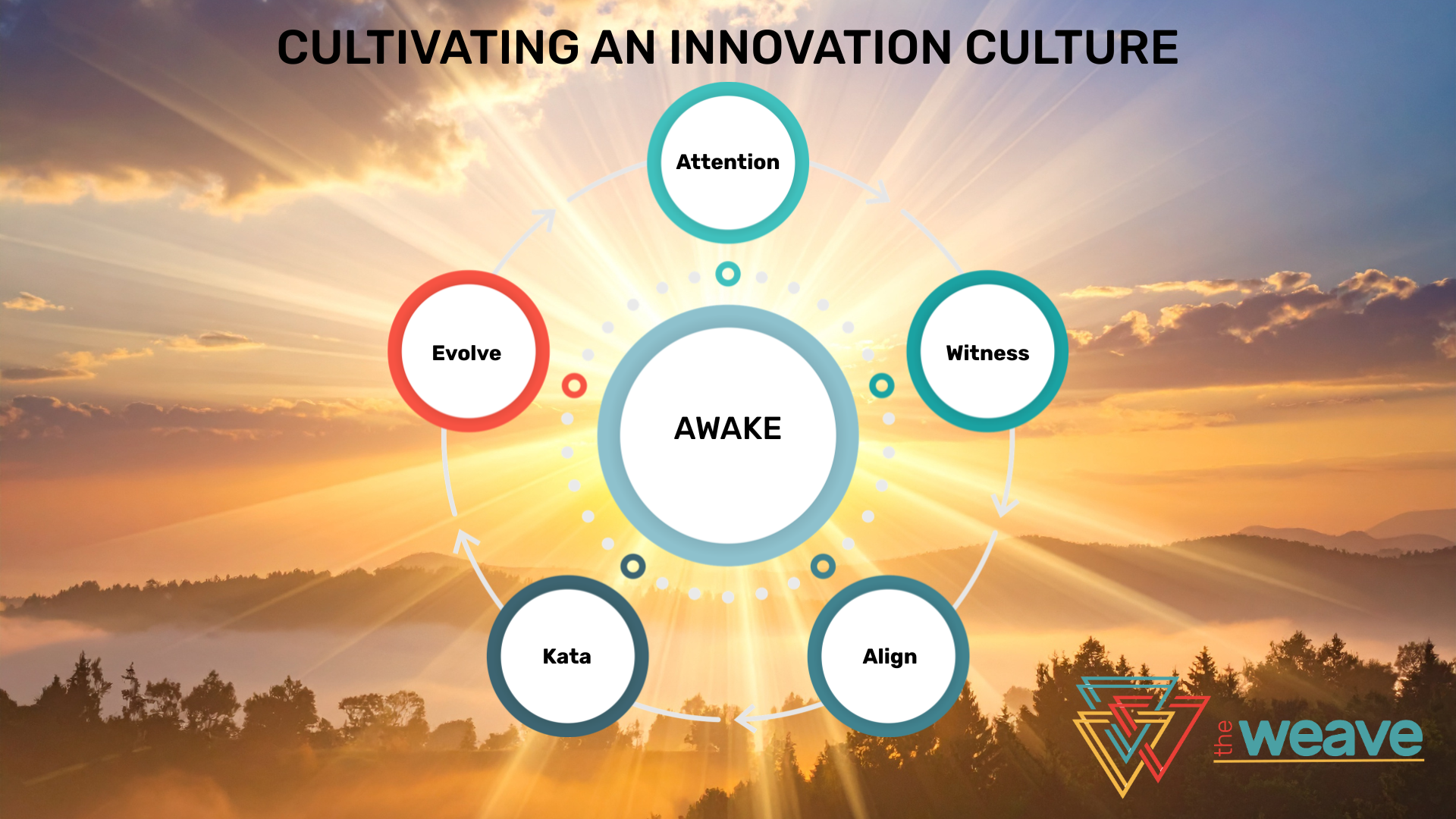
AWAKE: A Visual Metaphor for Cultivating an Innovation Culture
Key Takeaways
AWAKE is a repeatable innovation model built around five stages: Attention, Witness, Align, Kata, and Evolve.
The model works as a loop, because teams improve ideas by observing, testing, and learning over time.
The Dusty Camera example shows that strong innovation often keeps what users value and removes what causes friction.
For founders, AWAKE helps teams define the right problem, test ideas in the market, and build better habits for decision-making.
Innovation culture grows through repeated team behaviours and shared questions, not one-off workshops or isolated ideas.

Why Lived Experiences Build Better Startups
Key Takeaways
Lived experience helps founders spot real problems early, because repeated exposure shows where systems break down for real people.
The best startup ideas often come from recurring frustration, especially when the same issue appears across roles, teams, or organisations.
Reflection turns experience into useful judgment, because it helps founders test assumptions, frame better choices, and avoid reacting too fast.
Strong startup ideas often sit where three things meet: system insight, empathy for users, and a willingness to act on what you've seen.
Career moves across sectors can strengthen founder judgment, because they reveal how ideas succeed, stall, or fail in different settings.

Slow Living, Imperfections, and the Joy of the Journey
Key Takeaways
Better habits shape long-term outcomes because daily choices influence leadership, well-being, and the quality of work.
A steady pace supports better results than constant pressure, because frantic routines often lead to stress, poor decisions, and burnout.
Rest, reflection, and simple routines, like proper sleep, real meals, and time away from devices, help founders think more clearly and work with more purpose.
Slowing down improves focus, because less noise makes it easier to spot priorities, protect energy, and make sound decisions.
Meaningful success comes from the way you build, not only what you achieve, so a healthier pace helps you arrive with clarity, presence, and substance.
