
Slow Living, Imperfections, and the Joy of the Journey
“You need to let the little things that would ordinarily bore you suddenly thrill you”
Last weekend, I cooked two meals that refused to be hurried. One was a medley of mushroom stew with herby dumplings. The other was a Greek-style cauliflower stew with lemon and oregano, served with chard gratin, sourdough focaccia, and early-season New Forest asparagus.
Both meals reminded me of something I keep learning in work and life. Slow living isn't about rejecting ambition. It's about letting flavour, confidence, and meaning develop at their own pace.
For founders and cofounders, that can feel hard to accept. We're trained to rush, optimise, and get to the result. Yet the best work often appears when we stop forcing it and find the right speed for the moment.
Those two slow-cooked meals reminded me that depth cannot be rushed
The kitchen smelt of earth, butter, herbs, lemon, and warm bread. Nothing dramatic happened all at once. The mushroom stew darkened slowly, the dumplings softened as they sat, and the cauliflower mellowed until the sharpness gave way to something rounder and calmer.
That was the point. The meals got better because they had time.

A table full of goodness
I didn't make them from some fantasy of perfection. They came from bits of travelling, things I'd read, meals I'd eaten elsewhere, old notes, instinct, and memory. That mix matters. Most things worth making are built that way, through gathered influence rather than pure invention.
Flavour came from time, not from trying to control every detail
Stews are humble teachers. You can prepare well, choose good ingredients, and still need to wait. You taste, adjust, and let the pot do its work. The focaccia rises when it's ready, not when your schedule demands it. The gratin settles into itself after it leaves the oven.
People are much the same.
A founder can force speed onto a product, a team, or an idea. Yet too much control often flattens the thing you're trying to improve. Some of the best parts only appear later, after testing, listening, and making small changes. That's where character starts to show.
Imperfections matter here. A dumpling that's slightly uneven feels more alive than one shaped to death. A business with a clear voice often grows from rough early versions, awkward drafts, and honest feedback. The edges tell you a human being was here.
Faster isn't always better. Better often comes from knowing when to pause, taste again, and carry on.
Travel, books, and borrowed ideas helped shape something personal
Neither recipe felt wholly mine, and I liked that. Each dish carried traces of somewhere else, a remembered meal, a technique from a book, an ingredient swap, a lesson learned after getting it wrong before.
That's how personal style grows. It doesn't arrive untouched from the sky.
Originality is often less about making something from nothing and more about absorbing widely, then filtering it through your own hand. Founders do this all the time. You learn from mentors, customers, books, failures, peers, and half-finished experiments. Then, slowly, your version appears.
That process asks for patience. It also asks for humility. When I stop chasing the idea of being perfectly original, I make better work. I can borrow, test, adapt, and trust my own judgement. The result may not be flawless, but it feels true.
Why choosing imperfections has changed how I live and work
For a long time, I linked progress with polish. If something wasn't finished properly, refined fully, or mapped out in advance, I assumed it wasn't ready. That way of thinking looked disciplined from the outside, but inside it created tension.
Perfection often brings distance. You become careful in the wrong way. You stop listening. You hold back. You mistake control for quality.
Imperfections make room for learning, feedback, and a human touch
What changed for me was simple. I began to see that most good things come from trial, education, mistakes, and outside perspective. Cooking taught me that first, then business confirmed it.
A meal improves when you taste it as you go. A team improves when people can say what's not working. A founder improves when they stop treating every misstep like a verdict on their ability.
This matters because work built in fear becomes stiff. You can feel it in writing, in strategy, in leadership, even in conversation. On the other hand, when you allow a draft to be a draft, or a first version to be a first version, you create room for truth. Then the next version can be sharper.
Feedback is part of that rhythm. Some of it comes from other people. Some comes from your own body and mood. If you're always tired, detached, and ticking off tasks without much feeling, that says something. Rushing has a way of turning life into a list. You get things done, but you don't always get much from them.
Choosing the journey helps me notice what rushing makes me miss
When I slow down, I remember more. I enjoy it more, too.
That's one of the quiet gifts of slow living. It pulls you back into the moment you're already in. Instead of skimming across the surface of the day, you start to feel its texture. A meal tastes fuller. A walk clears more than your head. A conversation lands properly.
I used to think slowing down meant life might pass me by. Now I think the opposite is true. If I race through everything, I miss the thing itself. I only catch the outline.
That applies at work as well. Founders often measure themselves by pace, output, and visible movement. Yet not all movement is progress. Sometimes you're only staying busy because stopping would force a harder question. Am I building what matters? Am I leading well? Am I living in a way that feels like mine?
Slow living doesn't answer those questions for you. It does give you enough quiet to hear them.
What slow living can teach founders about restraint, focus, and better habits
Founders often hear that speed wins. Sometimes it does. A quick decision can save a week. A fast response can keep trust intact. But constant speed is another matter. It wears down judgment, narrows thinking, and makes every task feel equally urgent.
The real skill is knowing when to move fast and when to slow right down.
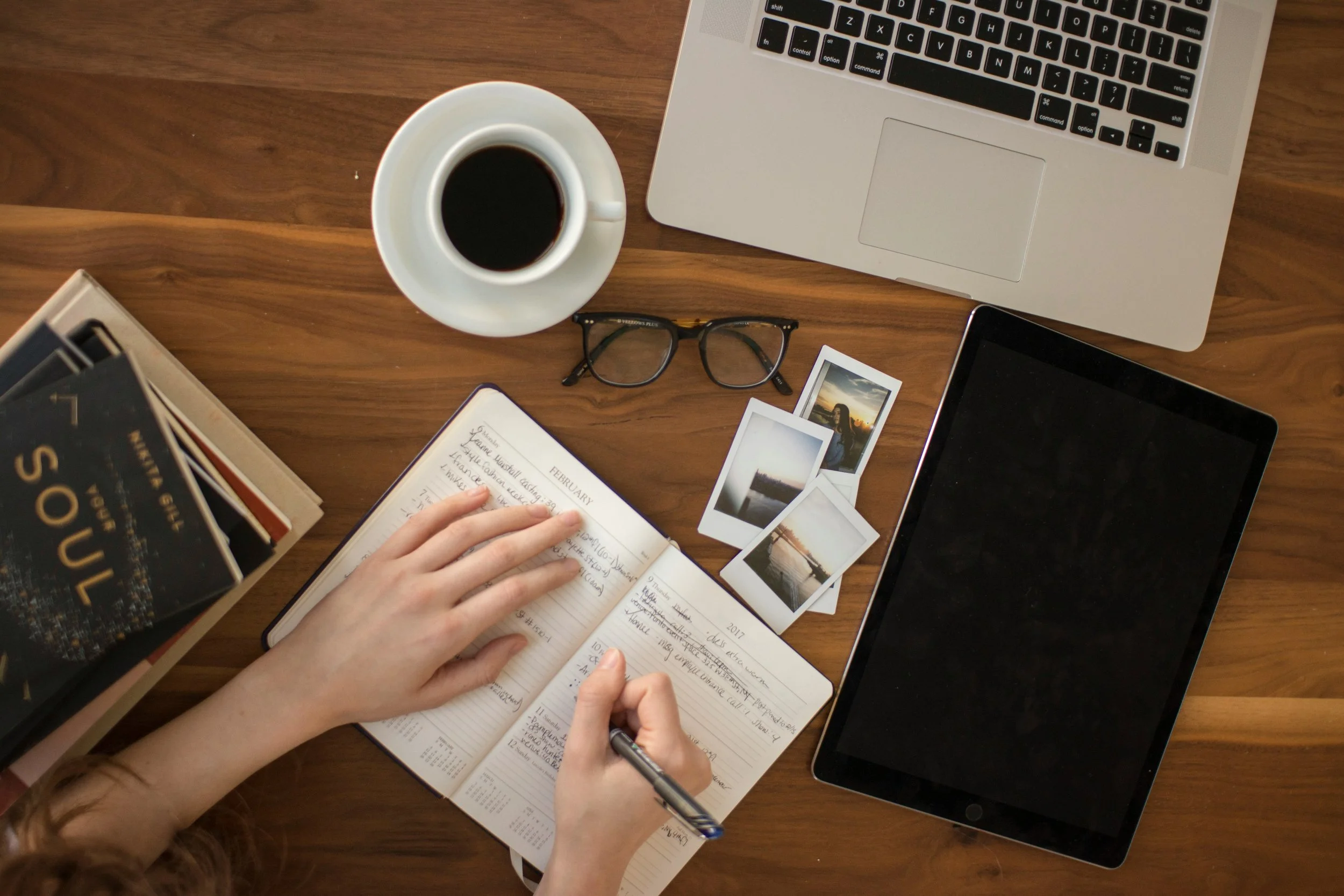
Build the habits that make the connections
Build better habits first, because the destination is shaped by the daily pace
Outcomes rarely come from one big push. They come from repeated small choices, made when nobody is watching.
That's why I keep coming back to this idea: build better habits first, because the journey shapes the destination. The way you work each day becomes the culture of your company, the tone of your leadership, and the state of your mind. If the daily pace is frantic, the result usually carries that strain.
Good habits don't need to look grand. They need to be steady. Sleep before another late-night sprint. Real meals instead of constant grazing at a screen. Time to think before another reactive meeting. Support systems that help you stay clear-headed, like the FounderThrive app for founder wellbeing, can be useful because they bring attention back to the basics that high performers often neglect.
Restraint matters here. Not every opportunity deserves a yes. Not every idea needs action today. Sometimes the wiser move is to protect your energy and let the next step wait until it's clearer.
Unplugging and letting things be can lead to clearer thinking
Busyness can become a hiding place. Fill every gap, answer every message, start one more task, and you don't have to sit with uncertainty. Yet constant input blunts insight.
Quiet helps. Space helps. A blank page helps.
I've found that some of my clearest decisions arrive after I stop trying to make them appear. A slow walk, a device-free morning, or half an hour with a notebook can do more than another hour of frantic checking. That's one reason I value the work of mentors combating founder burnout. Founders need places where reflection isn't treated as indulgence, but as part of good leadership.
Slow living supports focus because it reduces noise. When the noise drops, your real priorities become easier to spot. So does your purpose.
The destination matters, but the journey is where a meaningful life gets made
I still care about goals. I want things to grow well, land well, and matter. Slow living hasn't removed that drive. It has changed the way I want to meet it.
I want to get there awake.
A life with more presence feels fuller than a life spent chasing the next milestone
The best part of those weekend meals wasn't the moment they hit the table. It was everything around them, the chopping, the stirring, the smell of oregano and stock, the pause to taste, the small corrections, the waiting. The meal mattered, but the making gave it depth.
Life works the same way. So does business.
When I choose the journey, I make room for health, memory, joy, and better work. I notice people more. I hear myself think. I stop treating every imperfect stage as a problem to hide. Instead, I see process, growth, and signs that something real is taking shape.
Those meals stayed with me because they carried time inside them. That's what I want from work as well, not only results, but substance.
The simple lesson is this: imperfections are often proof that you're in motion, learning, and alive to the process.
If you're building something important, don't only ask where you're going. Ask what pace lets you arrive as a whole person.
